Grease trap maintenance: best practices to avoid costs and unpleasant surprises


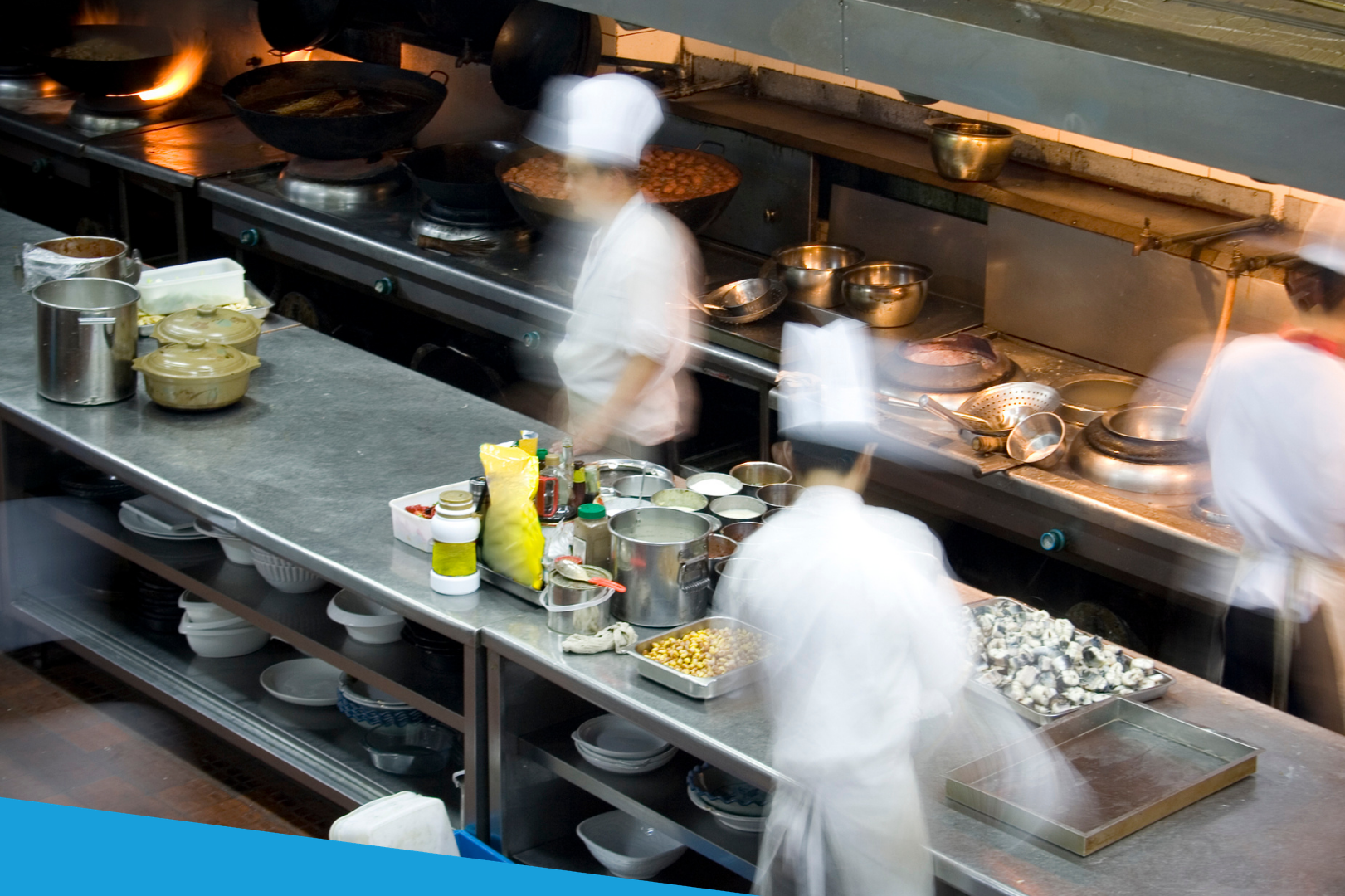
In foodservice environments, grease traps play an essential, yet often overlooked, role. They help capture fats, oils, grease, and food residue before they reach the sewer system. The result: fewer blockages, backups, and costly plumbing issues.
However, to remain effective, these systems require regular maintenance. A lack of upkeep can quickly lead to unpleasant odors, plumbing problems, and even operational downtime.
Why grease trap maintenance is essential
Proper maintenance is not only about keeping your equipment in good condition. It also helps:
- prevent drain and pipe blockages
- reduce odors caused by the buildup of organic matter
- comply with sanitation and environmental standards
- avoid expensive repairs and emergency service calls
In busy foodservice operations, neglecting grease trap maintenance can quickly become a major operational issue.
How often should a grease trap be maintained?
Maintenance frequency depends directly on usage volume and the type of establishment.
- Pumping and cleaning: generally recommended every 1 to 3 months
- Visual inspections: should be performed during every cleaning service
A high-volume restaurant will naturally require more frequent maintenance than a small café with lower activity levels.
Key steps for effective maintenance
Proper grease trap maintenance relies on a few essential actions.
1. Inspect the overall condition
Check the inside of the grease trap for excessive buildup, blockages, or signs of deterioration.
2. Pump out the grease trap
Accumulated grease must be removed using an appropriate pumping system. This operation requires specialized equipment and is ideally handled by professionals.
3. Clean the unit thoroughly
After pumping, a complete cleaning helps remove remaining residue and minimize odors.
4. Check the filters
Make sure the filters are not clogged. Replace them when necessary to maintain optimal performance.
Warning signs of a problem
Certain signs should immediately raise concern:
- persistent unpleasant odors
- standing water around sinks
- slow-draining sinks or floor drains
- frequent backups
These symptoms usually indicate excessive grease buildup or insufficient maintenance.
Going further: prevention instead of reaction
Beyond regular maintenance, adopting good operational practices can help reduce problems at the source.
Train staff on proper disposal practices
Educating employees not to pour grease and oils down sinks is a critical first step. Simple habits can have a direct impact on the performance of your systems.
Automate maintenance with an auto-injection pump
Using an auto-injection pump can help optimize grease management and simplify maintenance. This type of equipment helps:
- reduce grease buildup inside pipes
- minimize odors through the injection of specialized products
- simplify maintenance through automated operation
- prevent costly interventions over the long term
In summary
Grease trap maintenance should not be seen as a constraint, but rather as a performance driver. By implementing a clear maintenance routine and using the right equipment, businesses can extend the lifespan of their systems while ensuring smoother and more reliable day-to-day operations.