Tray Sealer: A Versatile Solution to Better Protect, Present and Preserve Your Products


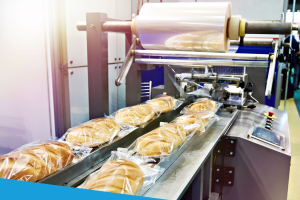
Tray sealing is a widely used packaging solution in the food industry to protect products, improve their presentation and, depending on the technology used, help extend their shelf life. Thanks to its versatility, it can be suitable for a variety of applications and production volumes, whether in grocery stores, bakeries, butcher shops, fish markets, ready-to-eat food operations or specialty food retailers.
At Carrousel, we offer two main categories of tray sealing solutions: tray sealers for conventional sealing and tray sealers with MAP (Modified Atmosphere Packaging) systems.
But which technology is right for your products? Let’s first look at their benefits and key differences.
Why Choose Tray Sealing for Your Food Products
Protect Your Products
Sealing creates an airtight closure between the tray and film, helping protect food from external contaminants. It also limits product handling between packaging and sale, supporting more hygienic handling practices.
Enhance Product Presentation
A transparent film allows the product to remain visible while providing a uniform and professional presentation. This is particularly beneficial for products sold in self-service areas or at the counter, where appearance plays an important role in consumer purchasing decisions.
Simplify Handling
Once sealed, trays are easy to handle, transport and store. Tray sealing can therefore simplify certain steps between product preparation and sale.
Optimize Your Packaging Operations
Depending on your production volumes and requirements, different tray sealing systems allow you to adapt the level of automation to your operations. Tray sealing can help standardize the packaging process and improve efficiency.
Help Extend Product Shelf Life
Depending on the product, technology and type of food, tray sealing can help preserve food quality and freshness by slowing oxidation. MAP systems, in particular, allow greater control over the atmosphere inside the package and can, depending on the application, help extend shelf life.
Sealing or MAP: Which Solution Should You Choose?
Choosing between a conventional tray sealer and a modified atmosphere packaging (MAP) system depends primarily on your products, shelf-life objectives and packaging requirements.
Sealing: A Simple and Versatile Solution
A tray sealer closes a tray using a suitable film. This solution can be particularly interesting if your main objectives are to:
- Protect your products from external contaminants;
- Limit handling before products are put on sale;
- Improve product presentation;
- Facilitate handling and storage;
- Prepare ready-to-sell portions.
MAP: Greater Control Over the Atmosphere Inside the Package
MAP, or Modified Atmosphere Packaging, adds an extra step to the sealing process. Before the tray is sealed, the air inside is replaced with a gas mixture suited to the product.
This technology can be particularly useful when product preservation and quality maintenance are priorities. Depending on the food product and packaging conditions, MAP can help:
- Extend shelf life;
- Preserve food colour and appearance;
- Maintain product quality during distribution and while on display;
MAP therefore offers the benefits of sealing while providing greater control over the environment inside the tray.
|
Sealing |
MAP |
|
|
Product protection |
✓ |
✓ |
|
Presentation |
✓ |
✓ |
|
Airtight seal |
✓ |
✓ |
|
Atmosphere control |
— |
✓ |
|
Can help extend shelf life* |
Depending on the application |
Yes, depending on the application |
* Shelf life depends on several factors, including the type of food, gas mixture selected, packaging permeability, and other variables.
In both cases, choosing the machine is only one part of the solution. The tray and film used must also be suited to the product and the technology selected. This is why it is important to consider the entire system before making your choice.
Our experts are here to help. Contact them now!
How to Choose Your Tray Sealing System
Automatic, Semi-Automatic or Manual?
The equipment’s level of automation should first match your operations. The volume of products to be packaged, frequency of use and number of formats used are among the factors to consider.
- Manual operation: an option suited to smaller spaces or occasional packaging needs.
Discover our tooling solutions available now:

TILTON BP30 TIL-40-41-42 | 9800444

1003 BP30 FOR F1116/1118/1122 | 9800446


- Semi-automatic: increases efficiency while maintaining a certain level of flexibility in your operations.
- Automatic: is better suited to high volumes and companies looking to integrate tray sealing into a more automated packaging process.
The tray
It must be compatible with the equipment and film being used, while also being suitable for the product it contains.
Several factors should therefore be considered:
- The tray material;
- Its dimensions and format;
- The quantity of product to be packaged;
- Storage and distribution conditions;
- Specific product requirements, such as refrigeration or reheating.
For example, CPET Forno containers may be suitable for certain food applications requiring a durable container that can withstand freezing, microwave heating or conventional oven use.
The film
The film must also be compatible with the tray and the tray sealer. Film selection can affect seal quality, product presentation and how the package performs during storage and distribution.


Consider the Entire System
The tray sealer, tray and film must work together to achieve an efficient and consistent seal. A well-adapted solution not only helps optimize packaging operations, but also ensures a uniform presentation and meets the specific requirements of your products.
Before choosing your equipment, it is therefore important to ask yourself a few questions:
- What products do you want to package?
- What volume do you need to process?
- What shelf life are you looking for?
- Do you need MAP?
- What tray formats do you use?
- What properties are you looking for in your film?
Answering these questions will help you determine the combination of equipment and materials that best suits your business.
Need a Customized Solution?
We can help! Contact us today!
What Are the Applications?
As mentioned above, tray sealers can be used for a wide variety of products.
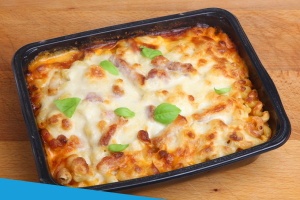
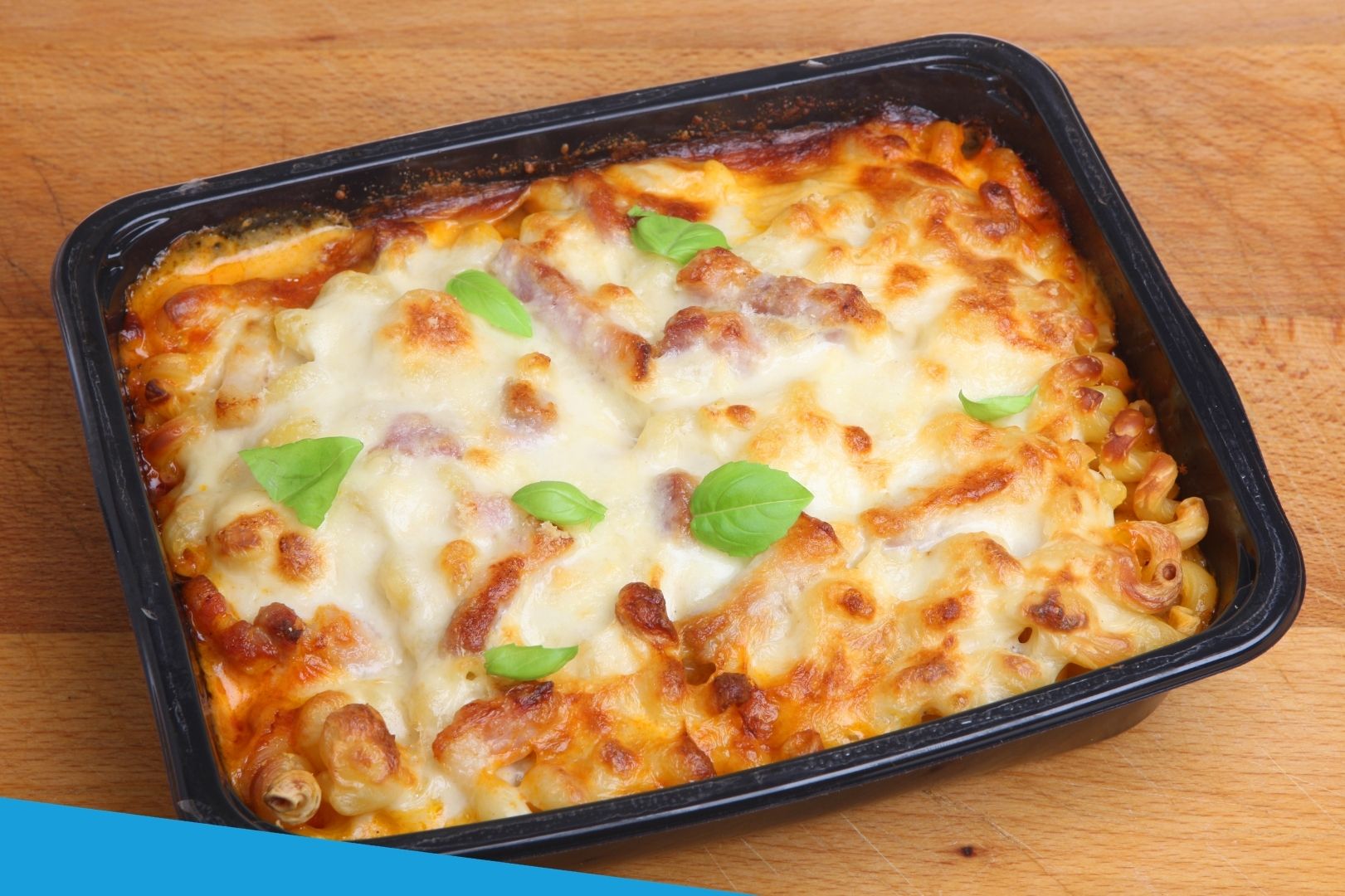
In the ready-to-eat food sector, tray sealing systems are widely used for packaging individual meals, prepared dishes and takeout products. They offer an attractive way to showcase your products, whether on grocery store counters or behind the displays of bakeries, ready-to-eat restaurants and many other businesses!
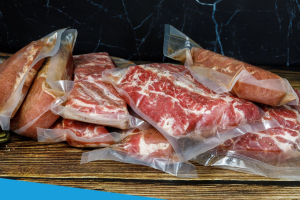
This equipment is also well suited for fresh products such as meat and fish in butcher shops and fish markets, as well as fresh or prepared vegetables, cheeses and various product assortments.
A Solution Tailored to Your Needs
Whether you are a grocery store, bakery, butcher shop, fish market, specialty retailer, ready-to-eat food business or even a producer, our tray sealing systems can adapt to your needs.
From simple sealing to MAP, the choice of tray sealer, tray and film depends on your specific needs and the goals you want to achieve. Choosing the right combination can help you save time and optimize your packaging processes.
Not sure which solution is best suited to your products? Our team can help you choose the right equipment and packaging materials for your needs.