
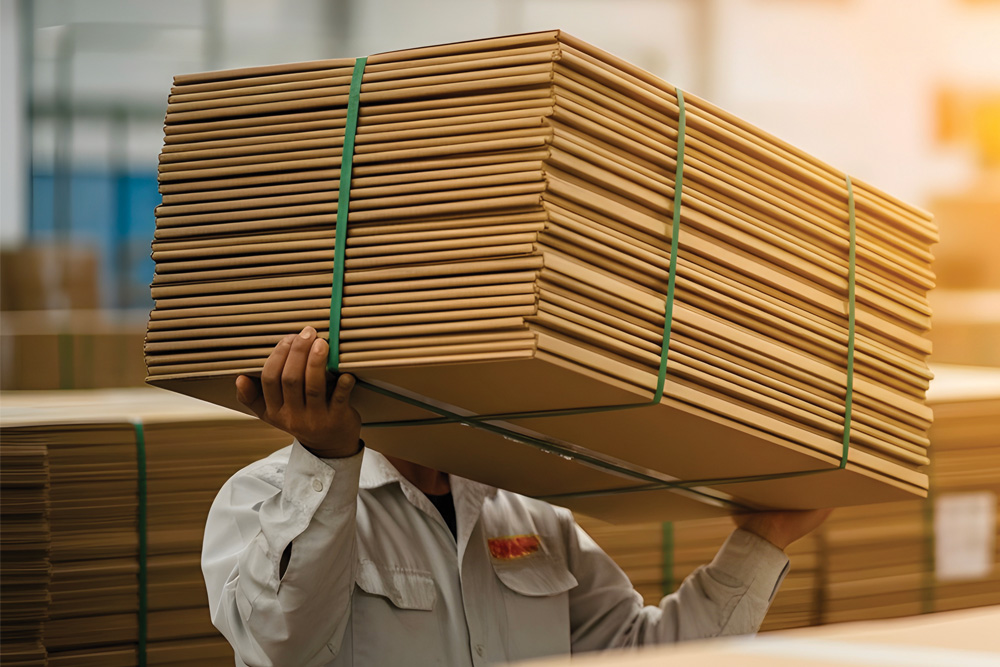
What is strapping used for?
Strapping is used to bundle, stabilize and protect products during handling, storage and transport.
The right strap depends on:
- load weight and type
- load stability and shape
- transport conditions
- equipment used
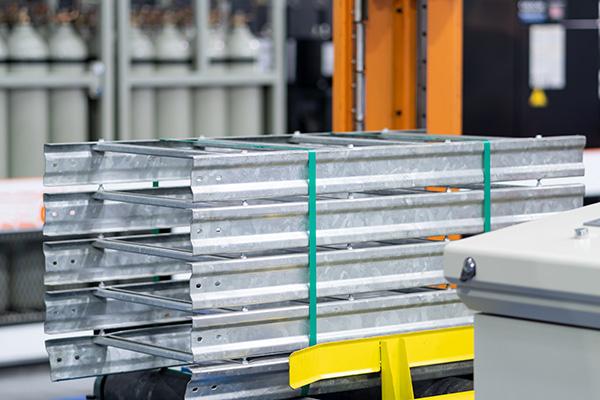
Our types of strapping
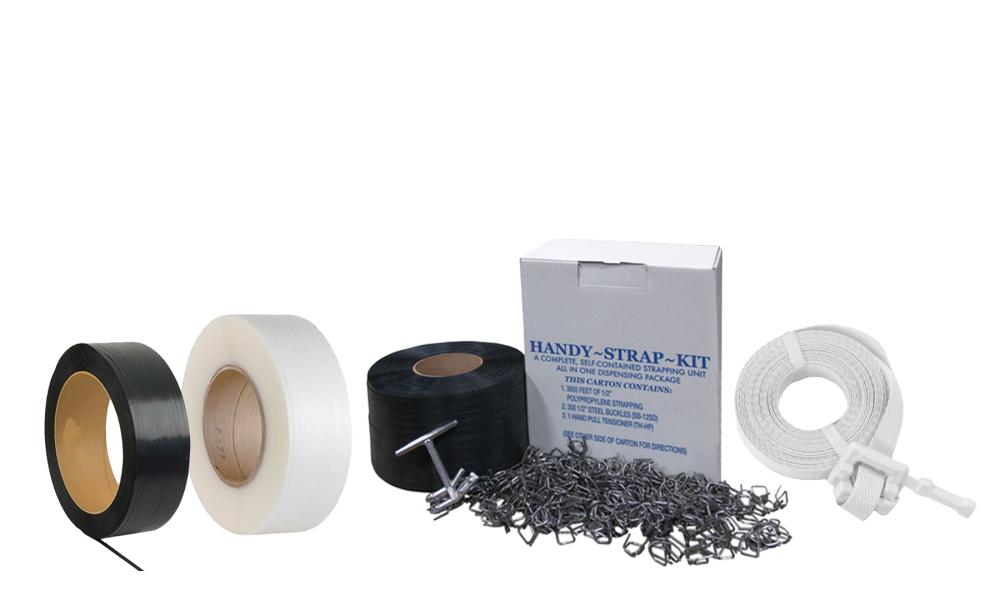
Polypropylene (PP) strapping
Video available in French only
Lightweight and cost-effective, ideal for closing boxes and securing light loads.
Key benefits:
- Most economical option
-
Easy and safe to handle
-
Recyclable
-
Available in multiple widths and colours (customization available)
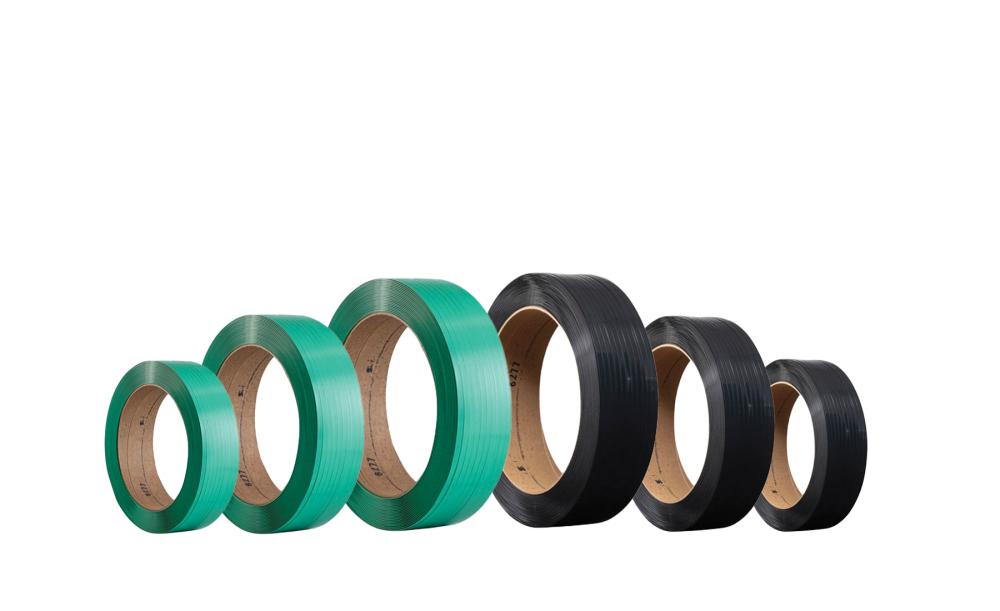
Polyester strapping
Video available in French only
Strong and versatile, designed to stabilize pallets and heavy loads while offering a high-performance alternative to steel.
Why choose it:
-
Lighter and safer than steel
-
Excellent resistance to shock and vibration
-
Strong elastic memory
-
Often made from recycled materials
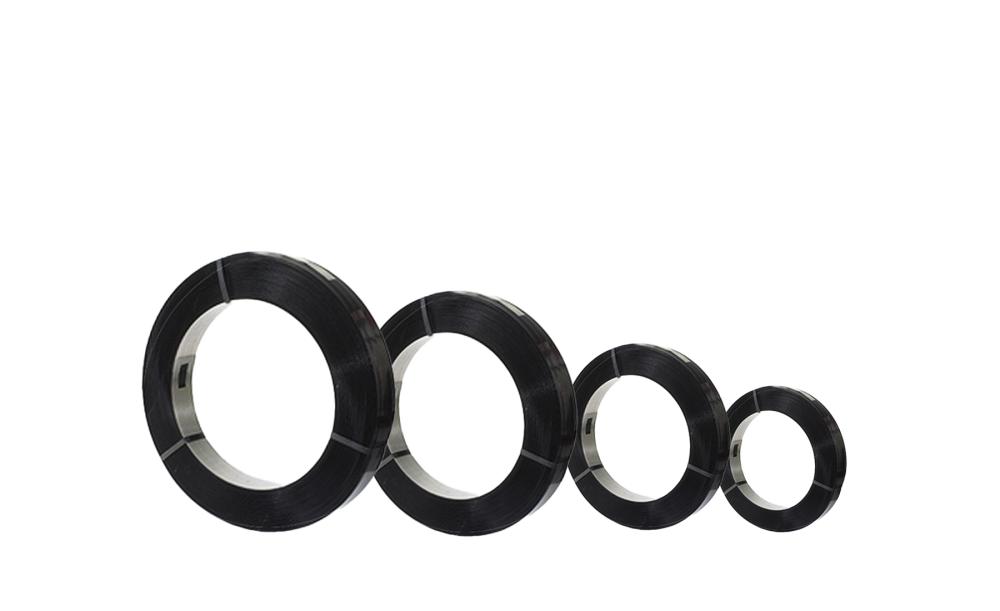
Steel strapping
Video available in French only
Known for extreme strength and used in the most demanding industrial environments.
Typical applications:
-
Very heavy loads
-
Rigid or sharp-edged materials
-
High-temperature environments
Many businesses are now switching to polyester, which offers similar performance with improved safety and lower weight.
Cord strapping
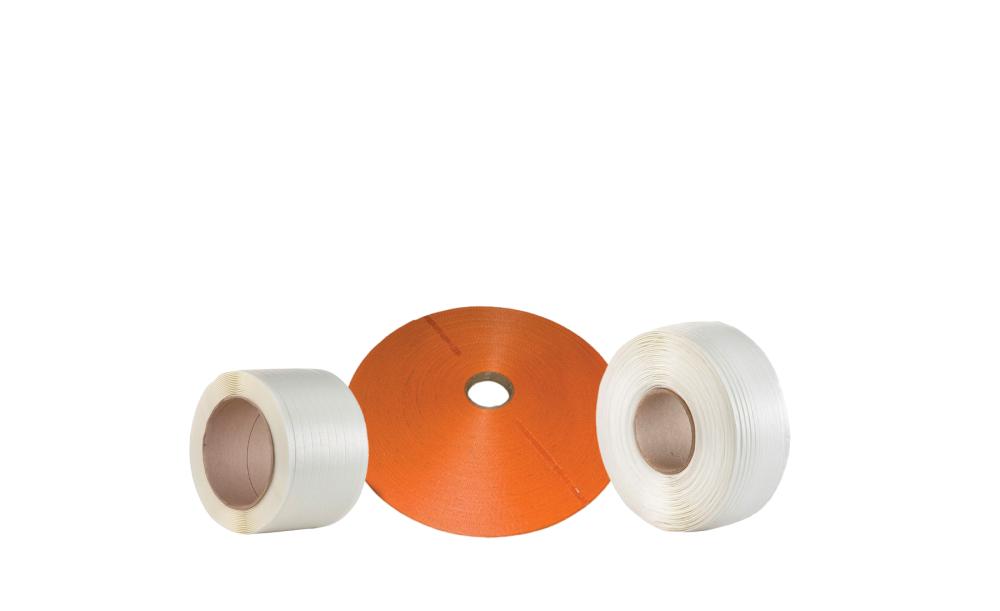
Made from woven or non-woven polyester fibers, ideal for heavy loads and outdoor storage.
Key advantages:
-
Very lightweight and easy to handle
-
Resistant to UV, moisture and temperature variations
-
Will not rust or stain products
-
Excellent shock absorption

How to choose the right strapping?
Before selecting a strap, make sure to:
- identify the type of load (rigid, compressible or unstable)
- determine weight and shape
- evaluate transport and storage conditions
- confirm compatibility with your equipment
Tools and compatible equipment
Each type of strapping can be paired with:
- manual, combination or battery-powered tools
- strapping tables
- semi-automatic systems
- fully automated strapping systems
Watch our video Les équipements compatibles avec les courroies or contact us!
Video available in French only

Can’t find the product you’re looking for in our catalogue?
Contact us — we’ll do everything we can to find it for you!