JavaScript seems to be disabled in your browser. For the best experience on our site, be sure to turn on Javascript in your browser.
clear
Customer Area
Manufacturer
Grocery
Food processing
Caterer, ready-to-eat
Other markets
Product customization
Print your logo or visuals on your packaging to showcase your brand identity.
Technical service
An in-house team of technicians who install, maintain, secure and repair your packaging and sanitation equipment.
Guides & Resources
Usage tips, buying guides, product overviews and more: resources to help you better understand our solutions and make informed decisions.
Downloads
Practical guides, catalogs, charts, and much more
Products with Environmental Attributes
Thousands of solutions designed to reduce their environmental impact.
Our Responsible Commitment
At Carrousel, our commitment is reflected in concrete actions. Discover what they are.
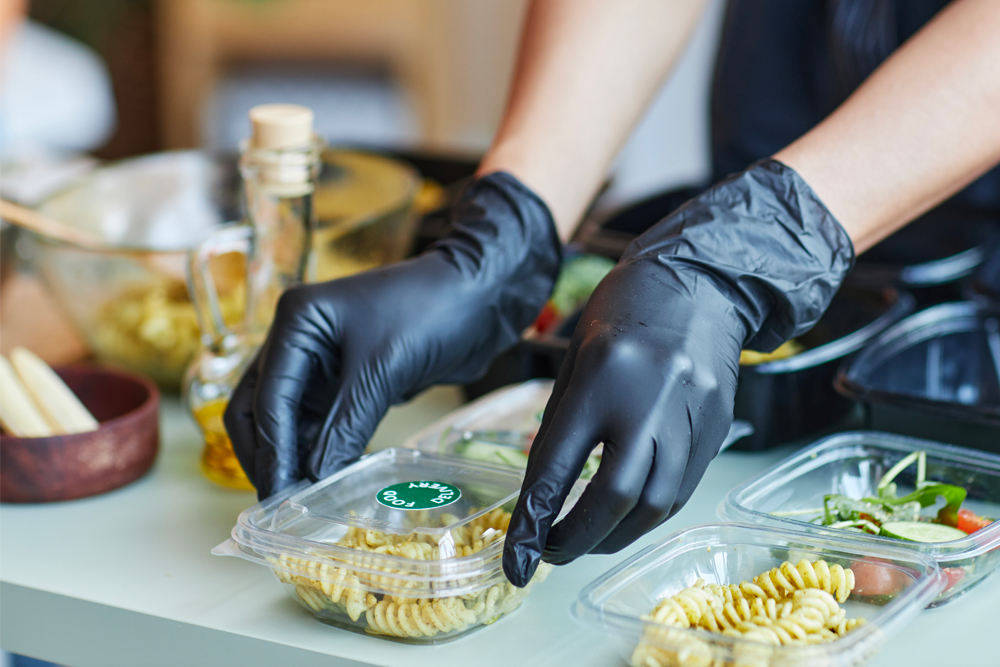
Disposable gloves are used to protect people and products during tasks requiring cleanliness, hygiene and contamination prevention.
They are particularly suited for environments where gloves are changed frequently, such as:
1. Glove thickness
2. Quality grades
3. Powdered vs powder-free
Our glove buying guide explains the differences between materials, thicknesses and recommended uses.
There are no addresses associated with your account.