How to Properly Use Your Different Microfiber Cloths


Did you know?
Maintaining a clean, healthy and safe environment starts with simple but essential habits. Among the most versatile cleaning tools, microfiber cloths stand out: they clean, dust, polish and capture dirt far more effectively than many alternatives.
Yet, one professional tip, often overlooked, makes all the difference on cleaning quality: using a color-coding system.
Why a Color-Coding System Is Essential
Microfiber is a revolutionary cleaning material thanks to its unique ability to capture:
- Dust
- Bacteria
- Grease residues
- Microparticles
Key benefits:
- High absorbent
- Streak-free, fast results
- Ideal for delicate surfaces (stainless steel, screens, glass)
- Reduces chemical usage
- Excellent value for money
How color coding improves hygiene
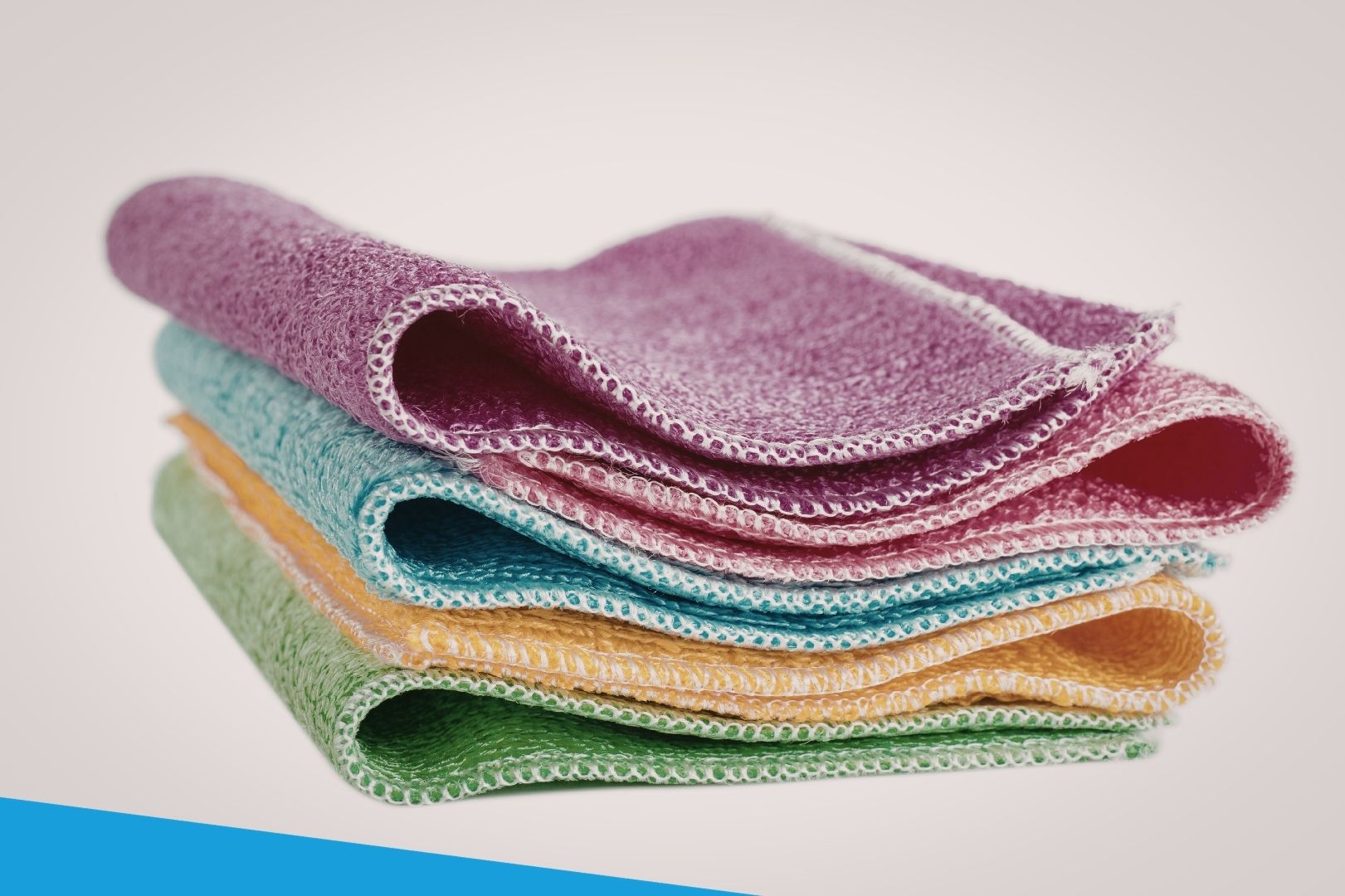
Color coding is not just a visual organization tool: it's an effective method to prevent mistakes and avoid cross-contamination.
By assigning a color to a specific zone or type of surface, each cloth is kept for its designated purpose, improving overall hygiene and protecting both users and clients.
A cloth used in a high-risk area can transfer microbes to a clean surfaceif colors are not respected!
Professional hygiene expert suggest the following system:
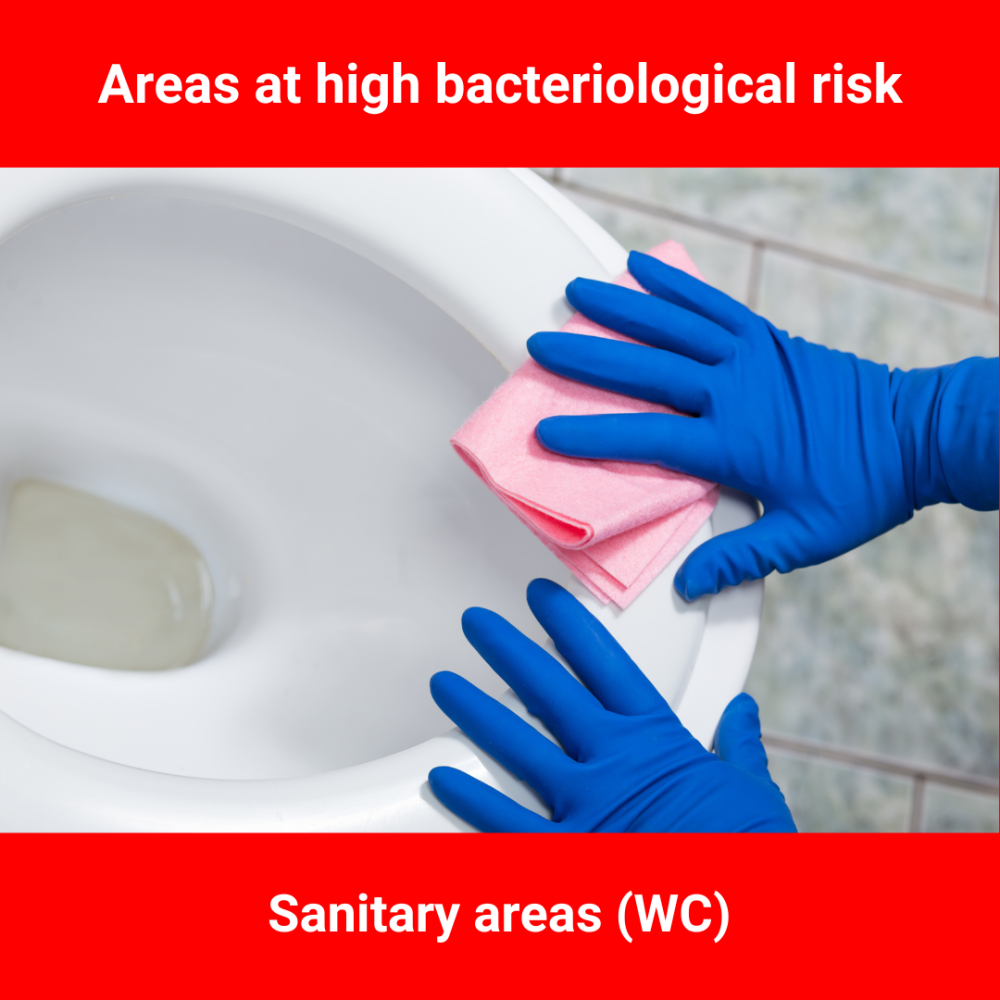



Red: High bacterial risk areas
- Toilets
- Urinals
- Highly soiled sanitary zones
Used exclusively for the most critical tasks.
Yellow: High cross-contamination risk areas
- Faucets
- Bathroom walls
- Sanitary counters
Ideal for frequently touched surfaces
Green: Food preparation areas
- Kitchen counters
- Prep surfaces
- Bar, buffets, tables, and service areas
The go-to color in food-handling environments.
Blue: Low contamination risk areas
- Offices
- Furnitures
- Shelves
The most versatile color for daily cleaning.
Always clean from the cleanest areas to the dirtiest. This simple rule greatly reduces the risk of spreading dirt or bacteria.
How to Properly Maintain Your Microfiber Cloths
A poorly maintained microfiber cloth quickly loses its cleaning power. To extend lifespan and ensure hygienic cleaning, follow these simple practices:
- Wash your microfiber clothes separately from cotton, which sheds lint and reduces effectiveness.
- Use warm water to remove dirt without damaging fibers and dry at low temperature to preserve microfber structure. Dry at low temperature to preserve their structure.
- Use a laundry bag
- Don't forget to pre-soak cloths used in high-risk zones (red and yellow) for optimal disinfection
Mistakes to avoid:
- Avoid bleach, which deteriorates fibers and significantly reduces performance.
- Never use softeners; they leave a greasy layer that prevents fibers from trapping dust.
- Avoid high-temperature washing, which damages fibers and hardens the cloth.
- Do not leave damp cloths in a bag, as this promotes bacterial growth and odors.
Conclusion
Using high-quality microfiber cloths is already a great step toward optimizing cleaning efficiency and hygiene. However, thoughful usage, color coding proper maintenance and correct surface selection, makes all the difference in daily cleaning routines.
By following these simple tips, you will extend the lifespan of your miocrofiber cloths, reduce cross-contamination risks and improve efficiency accros akk cleaning operations.
A well-maintained cleaning kit means a cleaner, safer environment and much less hassle for your teams!