7 Cleaning Areas You Shouldn't Overlook in Your Grocery Store or Food Retail Business


Cleanliness plays a vital role in any grocery store or food retail business, not only for the customer experience but also for food safety and compliance with hygiene standards. However, some areas that are used every day can easily be overlooked in regular cleaning routines.
Here are several key areas to pay close attention to in order to reduce the risk of contamination, extend the lifespan of equipment, and maintain a clean and safe environment.
1. Handles, Buttons, and Frequently Touched Surfaces
Door handles, refrigerator handles, cash register buttons, touchscreen displays, scales, and payment terminals can quickly accumulate bacteria, grease, and dirt.
Because these surfaces are constantly handled by both employees and customers, they should be cleaned and disinfected several times a day, especially during busy periods.
Recommended:
- Surface disinfectant
- Wipes or cleaning cloths
- A frequent disinfection routine
2. Refrigeration Equipment and Door Seals
Refrigerator and freezer door seals often trap moisture, food residue, and mold. Over time, inadequate maintenance can also reduce the efficiency of the equipment.
Regular cleaning not only helps maintain proper hygiene but also prevents premature wear of the seals and reduces energy loss.
Areas to inspect:
- Door seals and gaskets
- Shelves
- Handles
- Ventilation grilles and air vents
3. Drains and Floors in Food Preparation Areas
Food preparation areas are particularly prone to the buildup of organic residue, grease, and moisture. Neglected drains can quickly become a source of odors, bacteria, and even pest infestations.
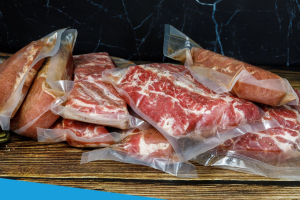
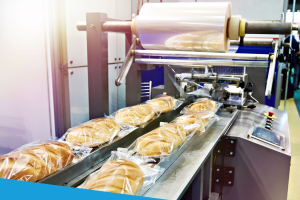
Floors should be cleaned using products suited to the type of soil present, especially in meat, bakery, and ready-to-eat food preparation areas.
Best practices:
Learn how to maintain your floors like a pro.
In addition to the products featured, we offer a wide selection of cleaning equipment and chemicals, including our brand-new line of Kärcher cleaning equipment.
4. Product Shelves and Displays
Food displays can accumulate dust, damaged packaging, crumbs, and product spills. Less visible areas, such as the undersides of shelves and the backs of displays, are often overlooked during routine cleaning.
Regular maintenance not only improves hygiene but also enhances the overall appearance of your store.
Don't forget to clean:
- Shelf edges
- Promotional displays and fixtures
- Areas behind products
- Hard-to-reach corners and hidden surfaces
5. Break Rooms and Employee Spaces
Employee-only areas must also be thoroughly maintained due to their frequent use. Microwaves, refrigerators, coffee machines, shared tables, and washrooms can quickly become sources of cross-contamination if not properly cleaned.
A simple, consistent routine helps maintain a clean and healthy environment for the entire team.
6. Receiving and Storage Areas
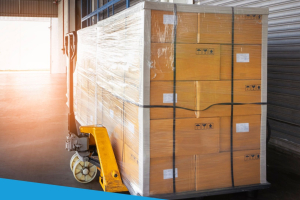
Loading docks and storage spaces are often exposed to dust, pallets, cardboard, and moisture. Without regular maintenance, these areas can quickly attract pests and contaminants.
It is recommended to:
- Remove accumulated debris regularly
- Keep products off the floor
- Inspect areas behind pallets
- Disinfect handling equipment when needed
7. Grocery Baskets and Shopping Carts
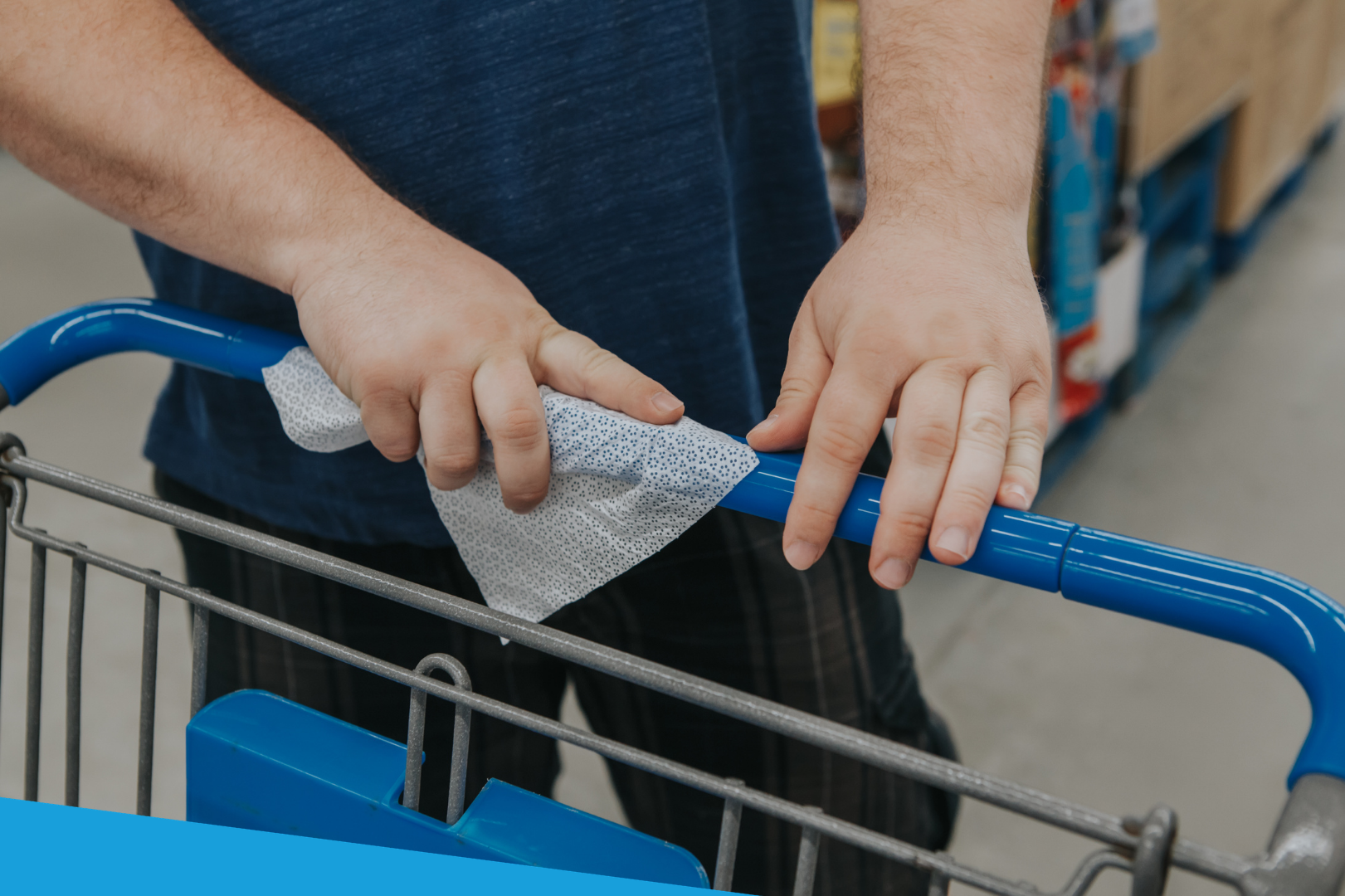
Handled by hundreds of customers every day, baskets and shopping carts are among the most frequently touched surfaces in-store.
Regular cleaning helps reduce the spread of germs and reassures customers about the cleanliness of the store.
In Summary
In the food retail sector, an effective cleaning program goes far beyond visible surfaces. By paying attention to often-overlooked areas, grocery stores and food businesses can improve sanitation, protect employees, and deliver a better customer experience.
Setting clear routines, using the right cleaning products, and properly training teams all help maintain high standards on a daily basis.